Reading at Osbaston: A Guide For Parents
This guide provides an overview of reading and the strategies you can use to support your child's reading at home.

|
OSB reading guide for parents | [pdf 550KB] |

|
Why Reading Really Matters
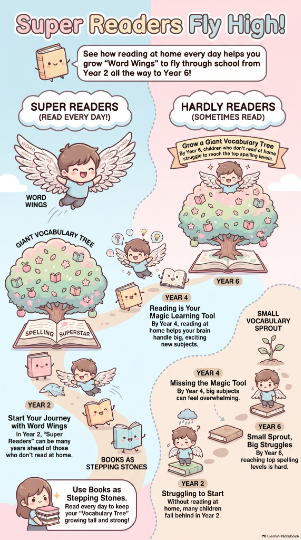
- The gap starts surprisingly early: By Year 2 (before children even turn 7), there can already be a 5 year gap in reading skills between children who read regularly at home and those who hardly ever do.
- Starting early builds a strong foundation: Reading regularly in Year 1, 2 and Year 3 helps children build a "library" of sounds and words in their minds. This helps them stay ahead of expectations.
- Without regular reading, gaps can start to sink in, and 75% of Year 3 children who hardly read are already behind where they should be for their age.
- From "learning to read" to "reading to learn": By Year 4, schoolwork shifts. Children need to read in order to learn other subjects. Regular home reading means children can focus on understanding their schoolwork instead of struggling to sound out and decode the words.
- The secret to good spelling: Seeing words often in books helps children remember what words look like, which is vital for spelling tricky English words that don't sound the way they are spelled. By Year 6, not a single child in the "hardly read" group had a spelling age ahead of their actual age.
- Unlocks advanced writing: Reading at home is the main "engine" for learning new words. Without it, children hit a "vocabulary ceiling" (a limit on the words they know), which restricts their spelling and makes it hard for them to write well when they start secondary school
Read, Write, Inc Guide
This link will provide you with useful information in supporting your child's reading development
 |
RWI for parents |
| Information guide |
Recommended Reads
Here are a list of recommended reads for pupils aged 4-5 years.
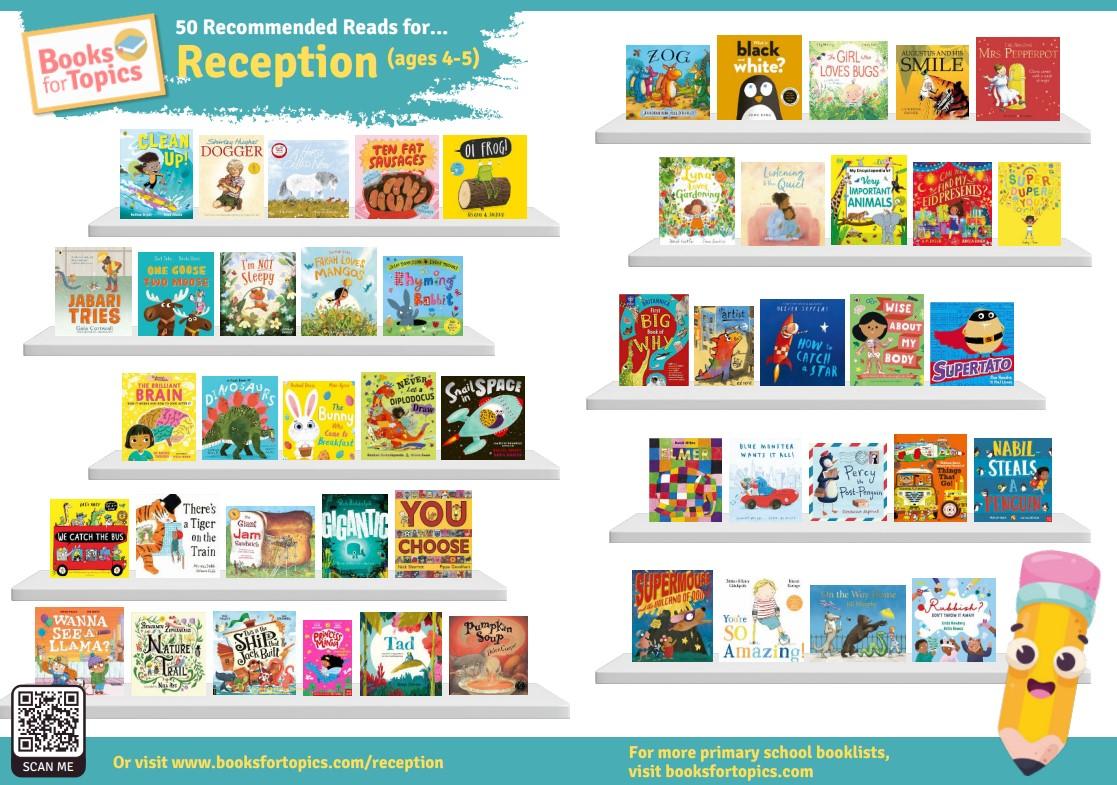
Reception Aged Pupils

Recommended Reads
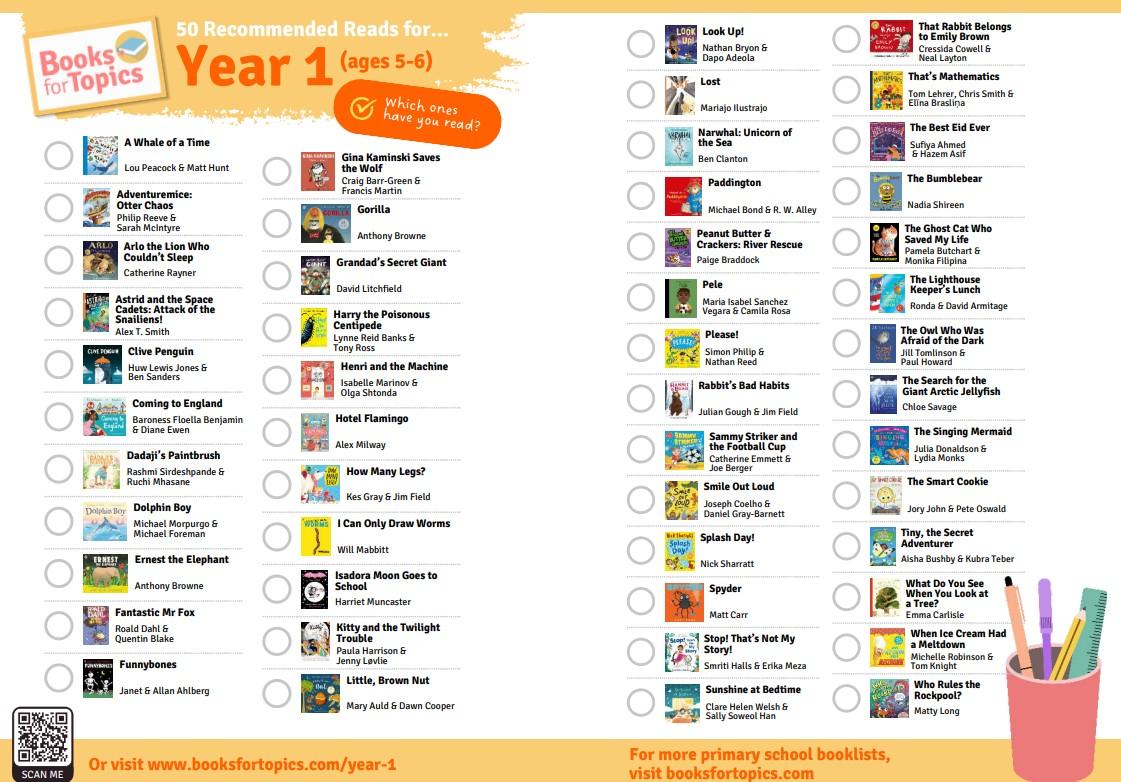
Here are a list fo recommended reads for pupils aged 5-6 years.
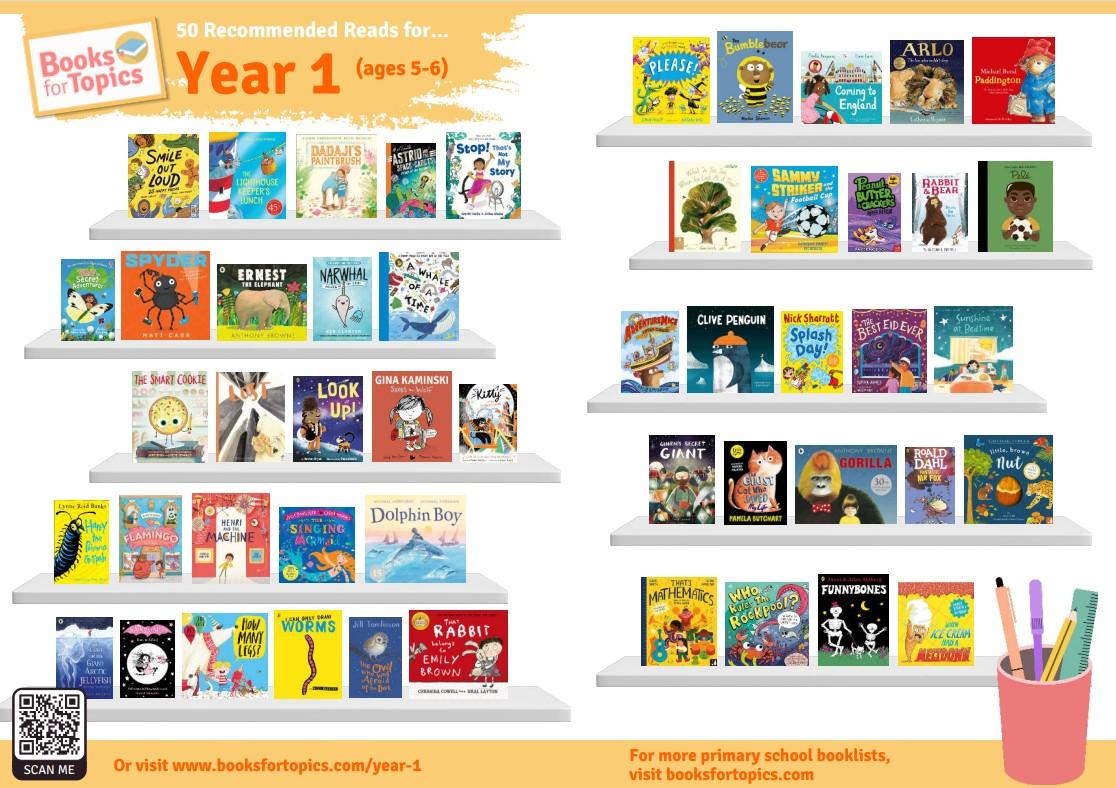
Year 1 Pupils
Recommended Reads
Here are a list of recommended reads for pupils aged 6-7 years.
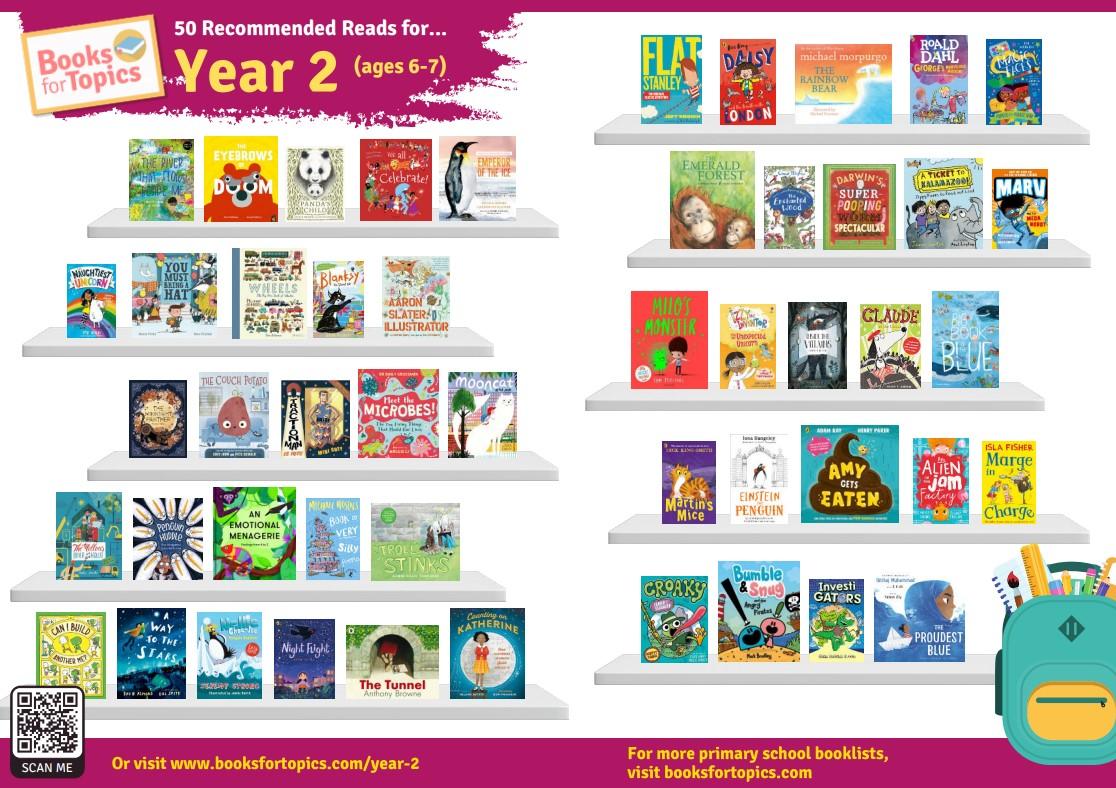
Year 2 Pupils
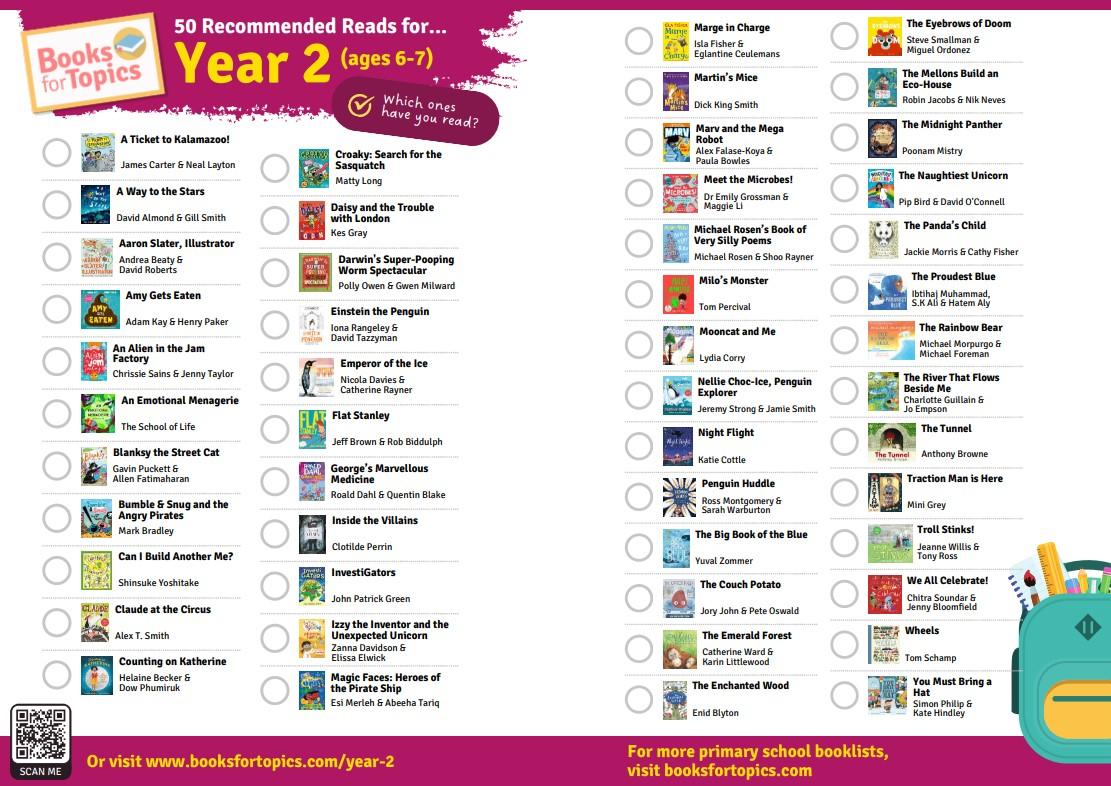
Recommended Reads
Here are the recommended reads for pupils aged 7-8 years.

Year 2 Pupils
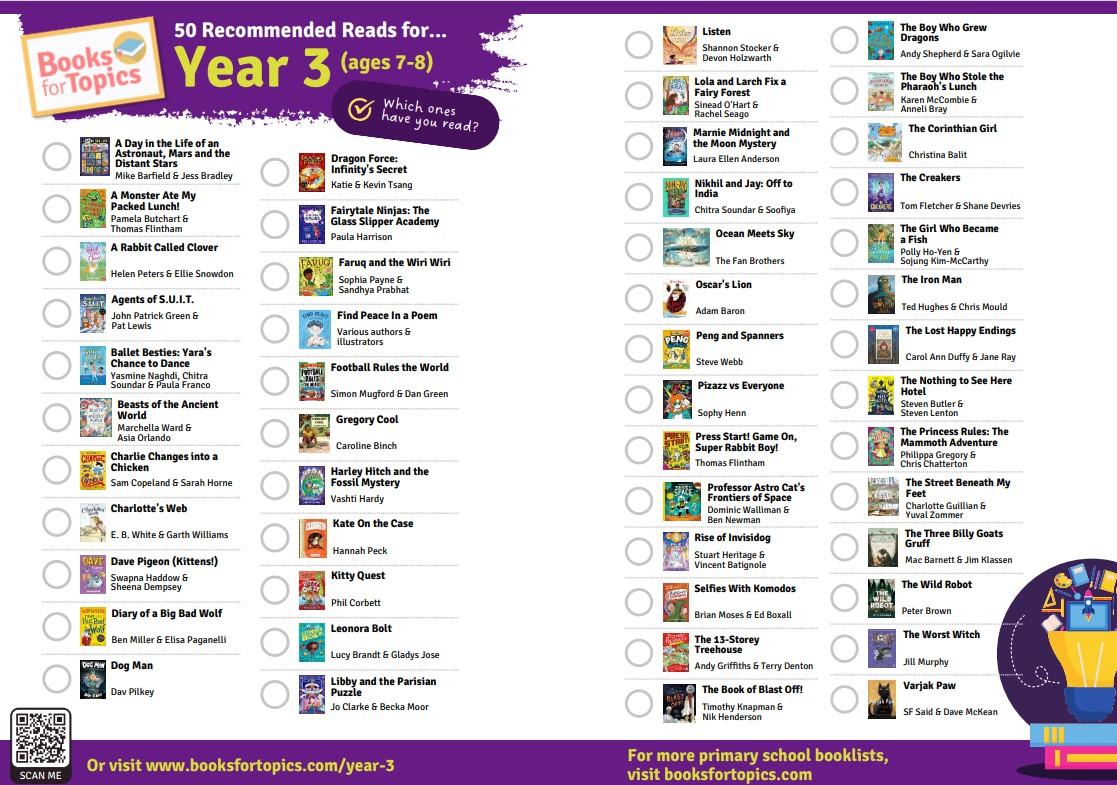
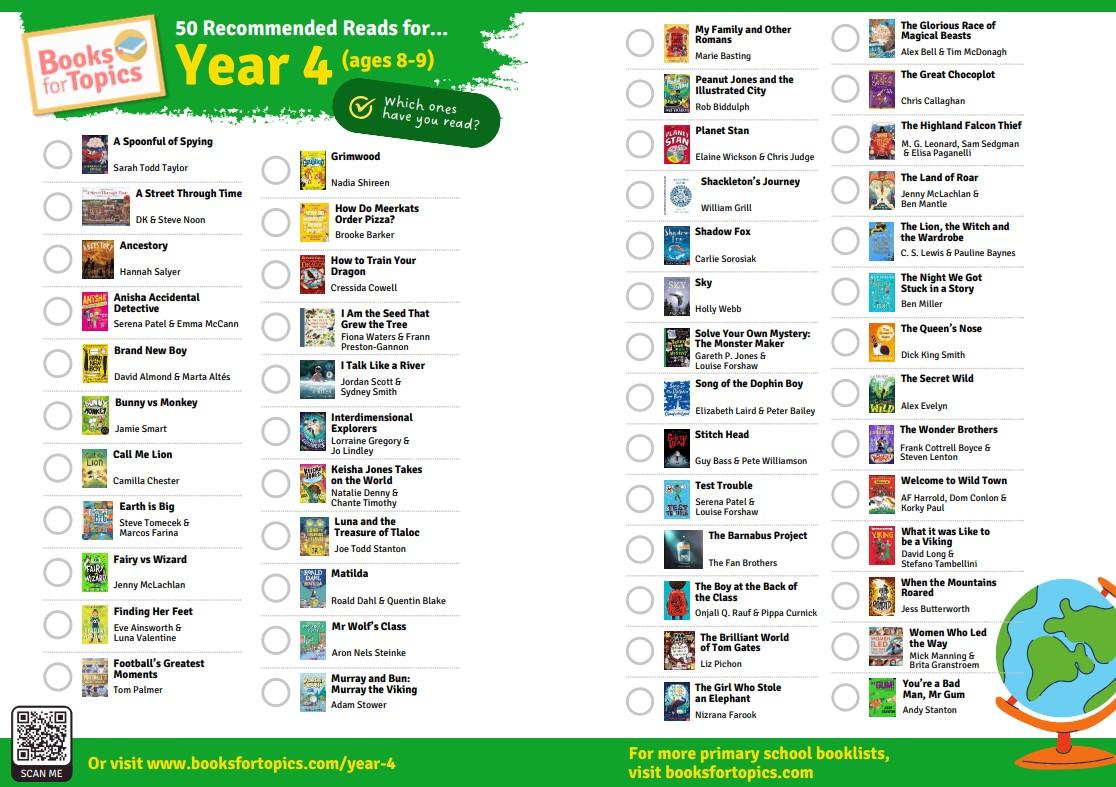
Recommended Reads
Here is a list fo recommended books for pupils aged 8-9 years.
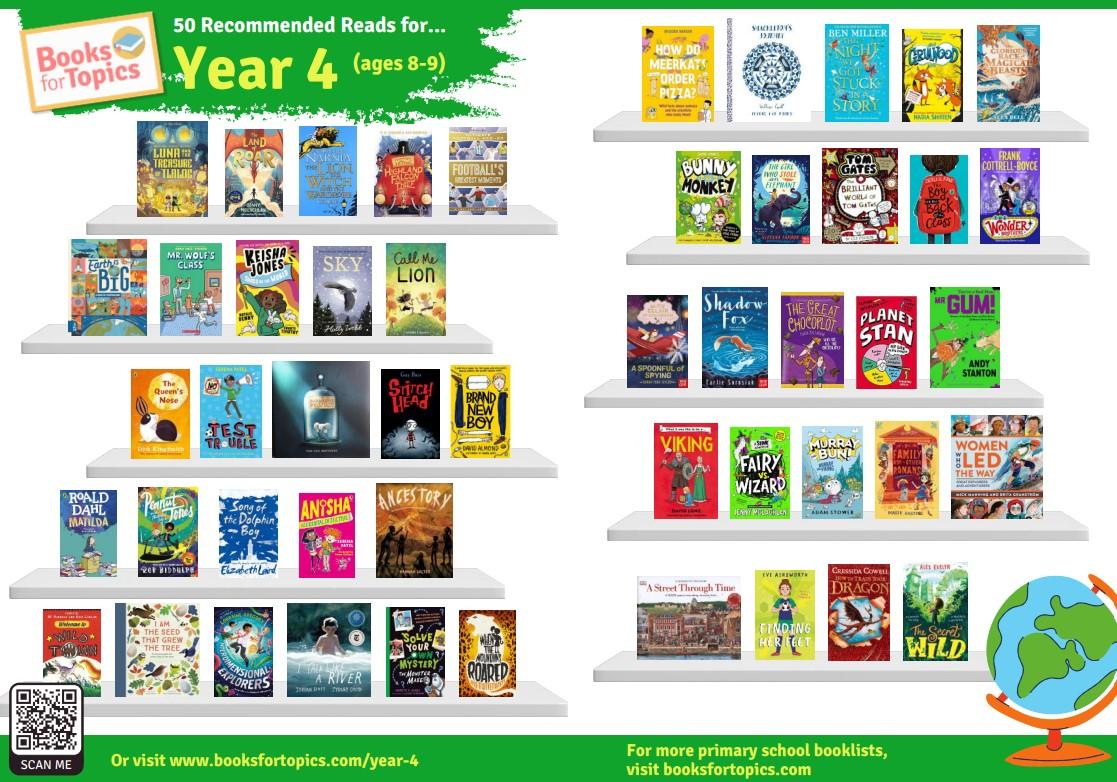
Year 4
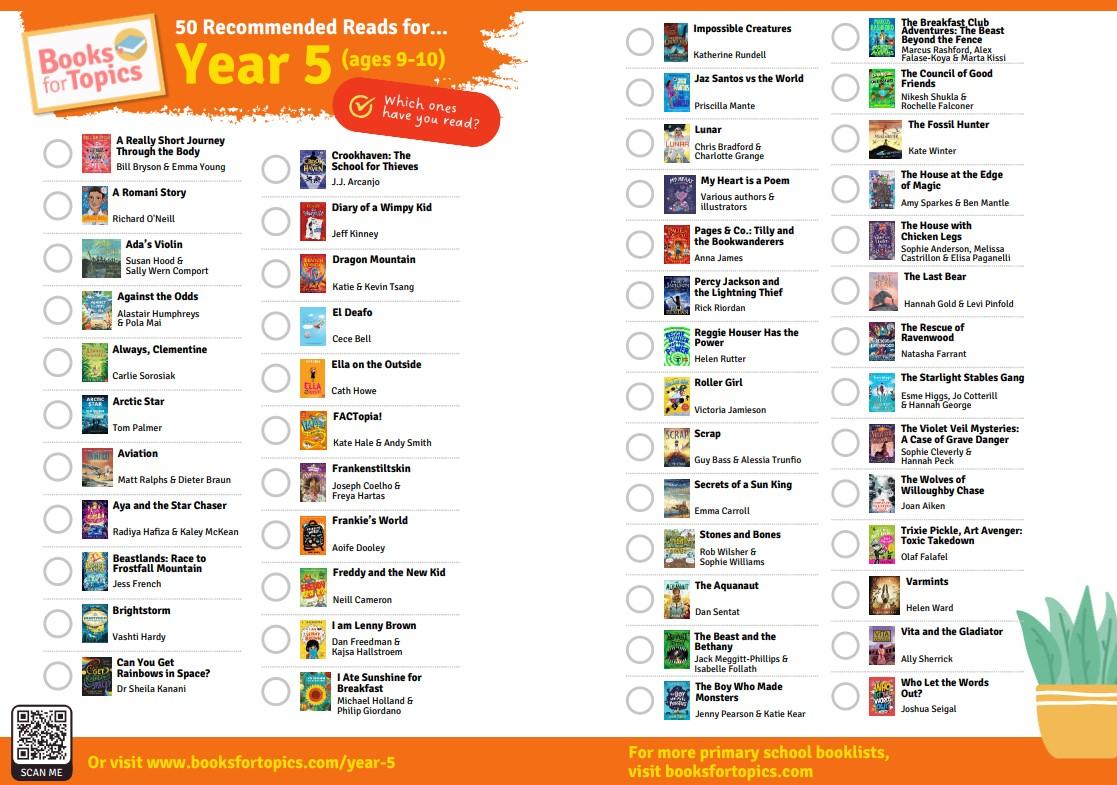
Recommended Reads
Here is a list fo recommended reads for pupils aged 9-10 years.
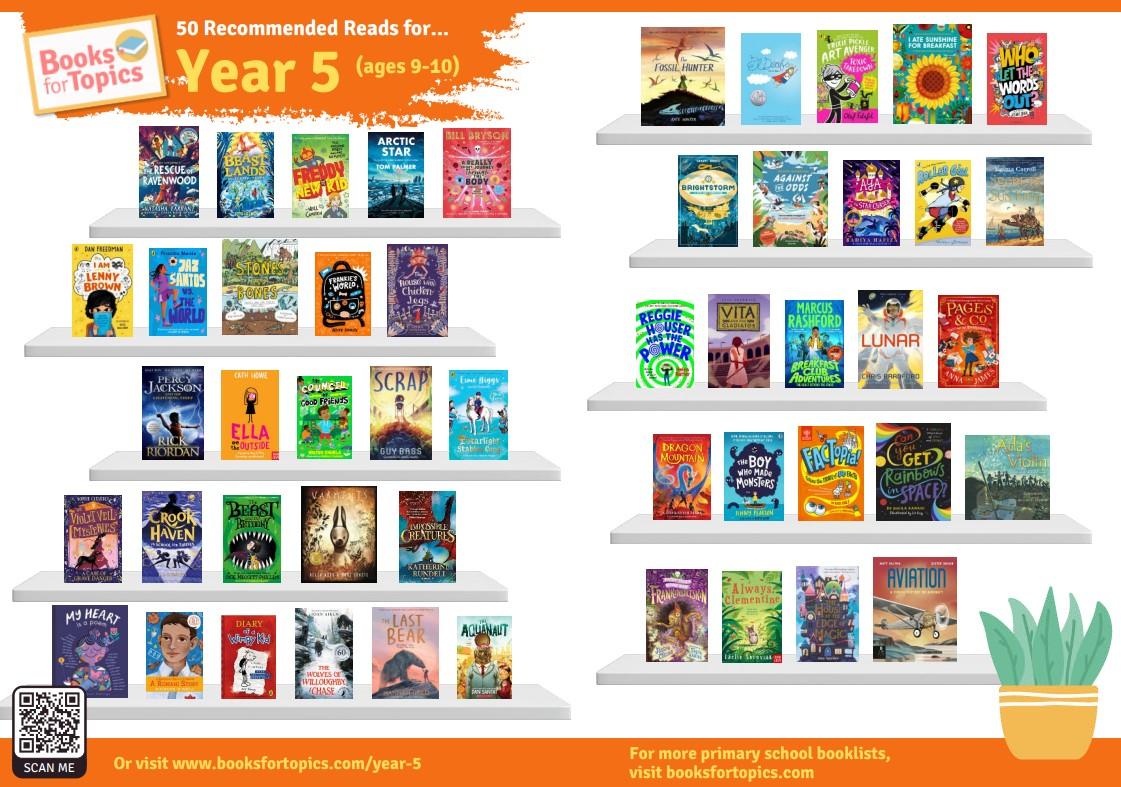
Year 5
Recommended Reads
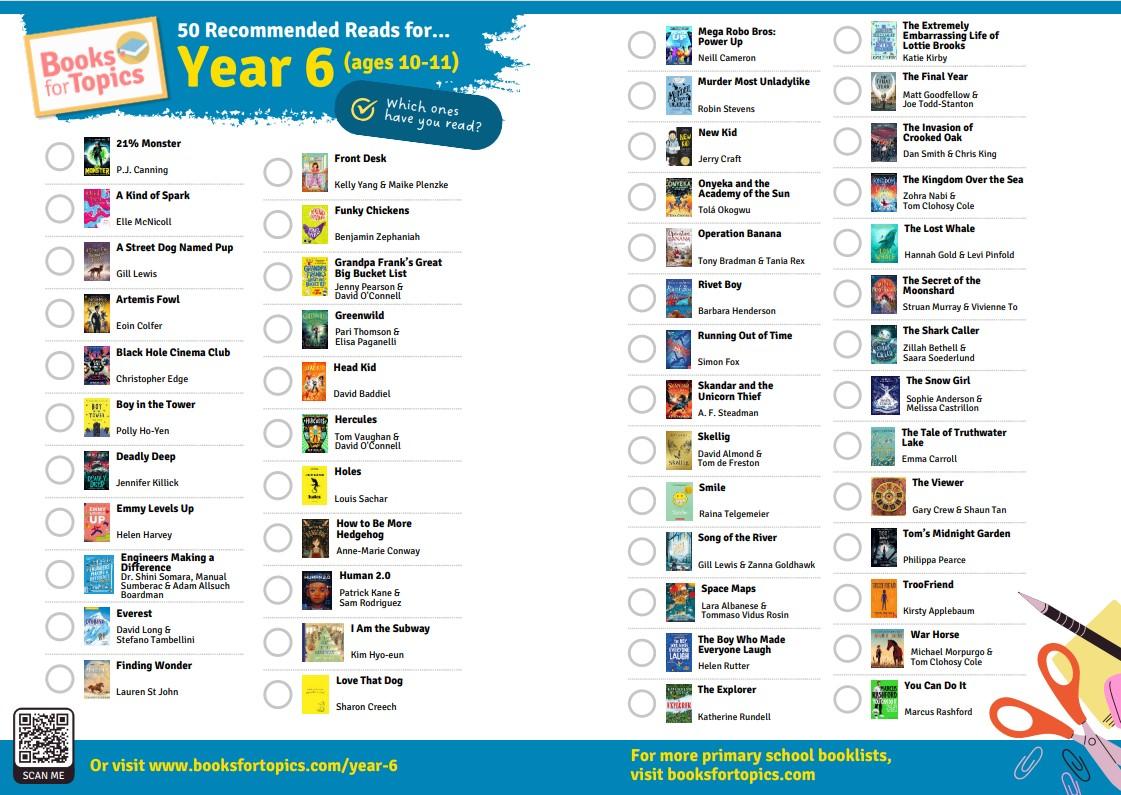
Here are a list of recommended reads for pupils aged 10-11 years.
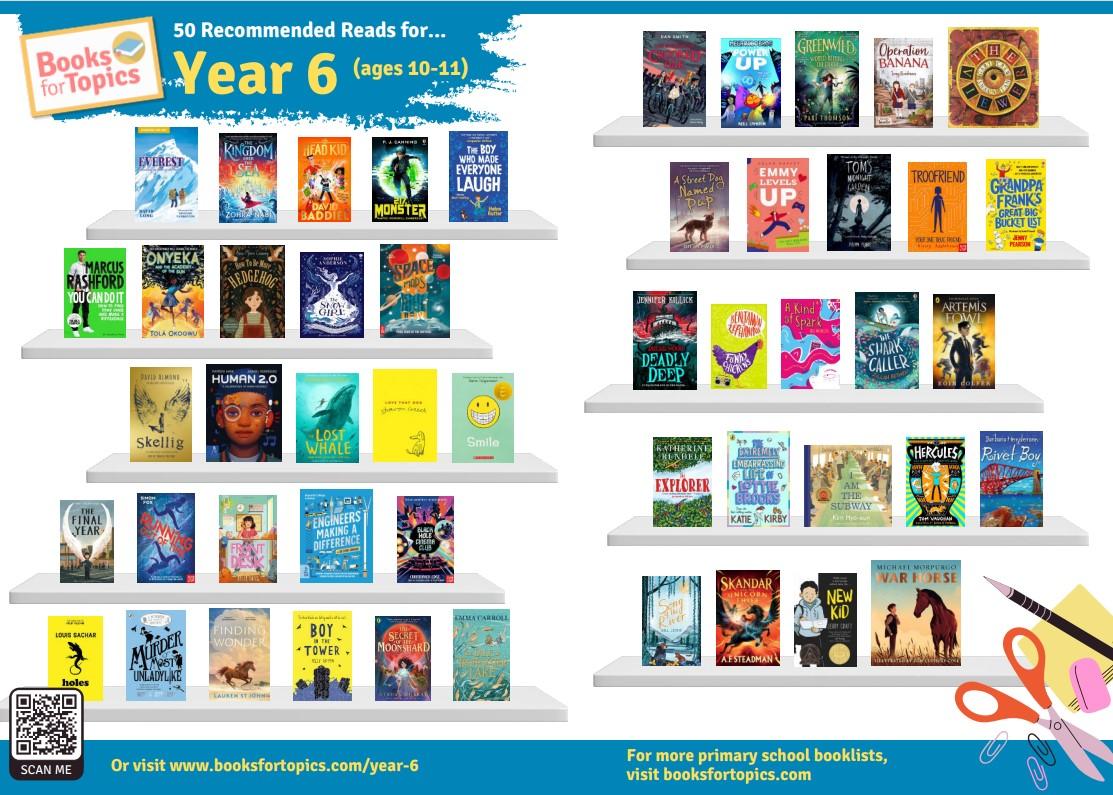
Year 6
Reading is essential:
It is a basic building block for learning, regardless of the subject. It is a life skill and is needed to access so much of our daily life- reading a street sign, reading a prescription, following a recipe or cooking instructions.

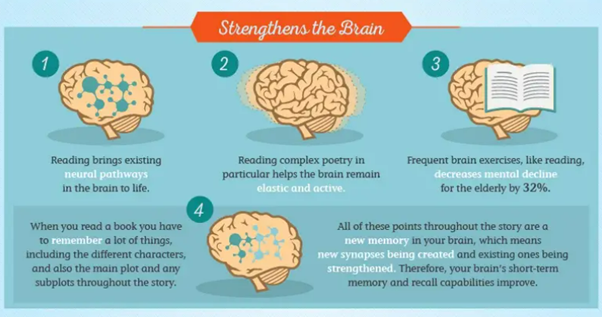
Reading strengthens the brain:
Reading strengthens brain connections and builds new ones.
Reading improves concentration:
To be able to engage in reading, you need to focus.
When done regularly it helps children develop the ability to sit quietly and still for longer periods of time.
Across the whole school, pupils read every day: to an adult, to a reading partner, as part of a group or to themselves.
Reading improves vocabulary and language skills:
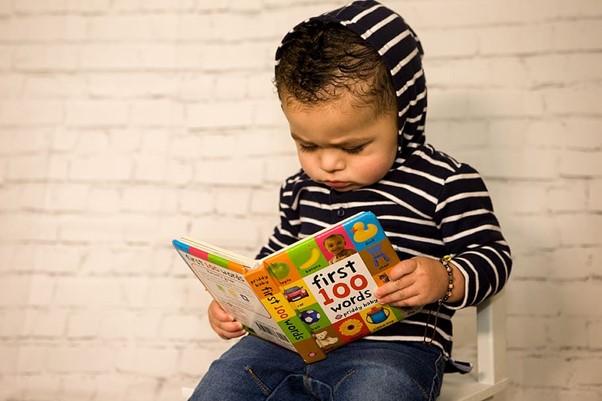
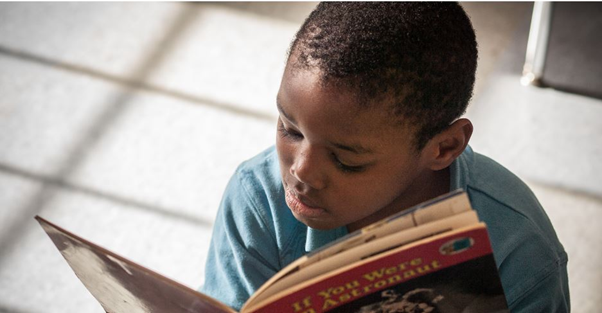
The more a child reads, the more new words they learn.
As they absorb these new words, they begin to use the context of the sentence or the material being read to define the word.
Children also learn about syntax or sentence structure through reading. This helps them with their writing.
We can always tell the children who read, by the use of vocabulary and maturity of their writing.
Reading teaches children about the world around them and beyond…
Through reading children build a growing store of knowledge that helps them learn about different people, places, events and cultures outside their own experiences.


Reading fosters confidence and independence:
Regular reading improves literacy skills. Being a competent reader means a child becomes more self-sufficient to access the world and makes them more confident.
Reading is fun!
There are so many different forms of writing- there is definitely a book, story or set of facts that will appeal to everyone.
A good book can be so enjoyable- you can be gripped and desperate to keep reading or keen to share something your have read with a friend!


Reading reduces stress:
Reading gives an escape into another world.
It offers a very valuable escape from the world of screens. It can be done anytime, any place, anywhere and can be done at a child’s own pace.